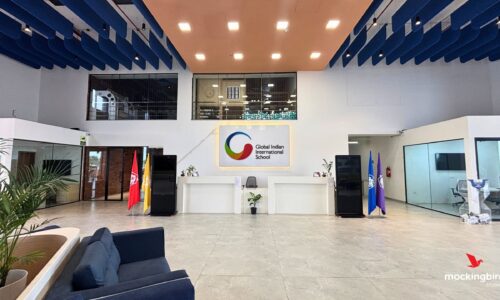
When we think about school branding, the first things that usually come to mind are the school logo, colours, uniforms and communication materials.
But a school’s brand is experienced long before someone reads a brochure or visits its website.
It is experienced the moment a student walks through the entrance, when a parent arrives for a meeting, when a teacher walks through a corridor or when a child enters the library.
The physical environment is part of the school’s identity.
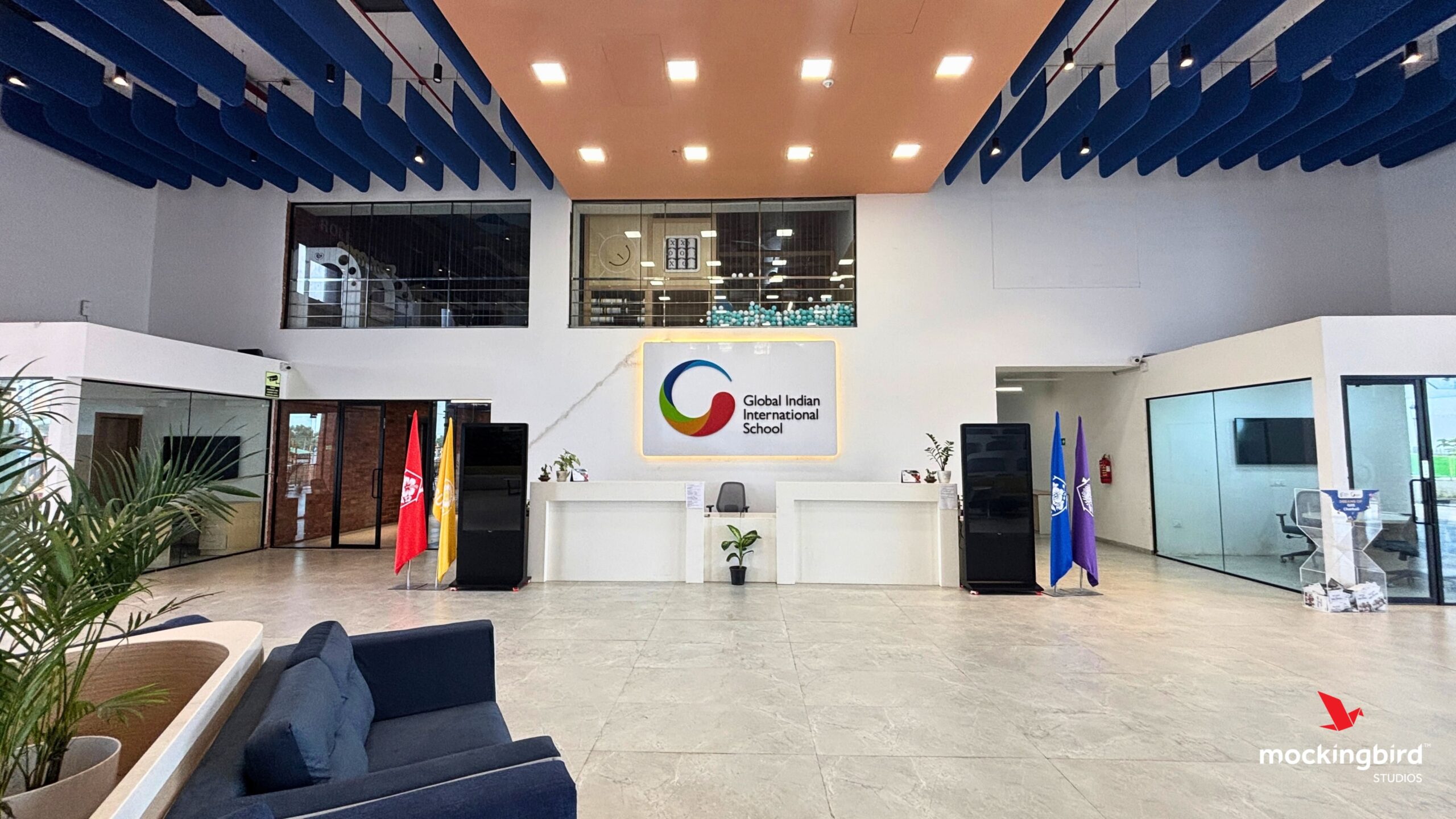
Thoughtfully designed school branding can help create a sense of belonging, make spaces easier to navigate and give students an environment that feels connected to the school’s values and culture. From reception areas and classroom door signage to libraries and passageways, every space presents an opportunity to communicate something meaningful.
The Reception Area: The First Impression of the School
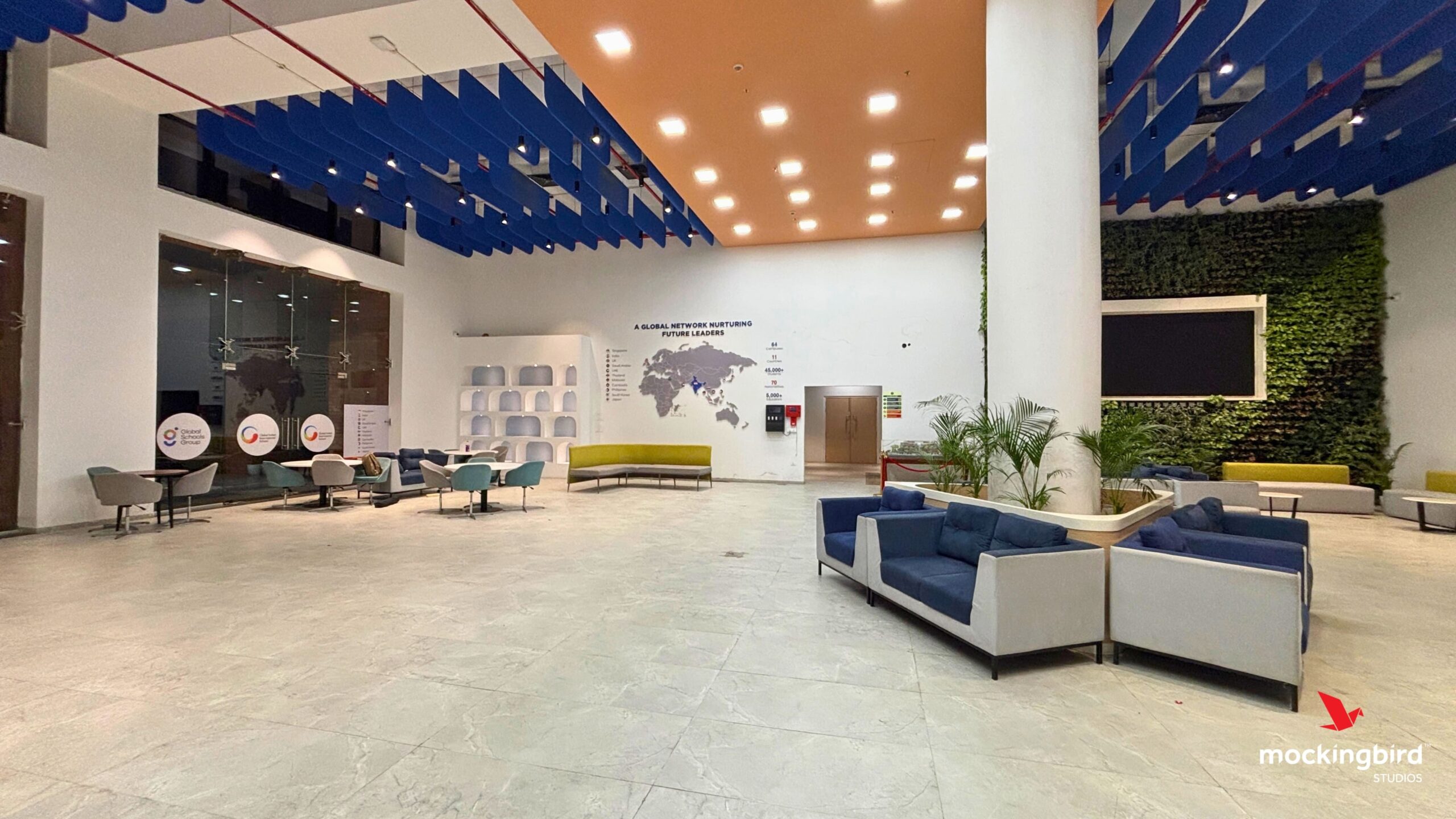
The reception is often the first physical space experienced by students, parents, visitors and new staff members.
It sets the tone for the rest of the campus.
A reception area that simply displays a logo can identify the school, but a well-considered branded environment can communicate much more. School values, achievements, history, vision and identity can be incorporated into the space through typography, graphics, photographs, timelines or carefully designed visual elements.
The goal is not to fill every available wall.
It is about creating an environment that feels distinctly connected to the school.
For parents and visitors, the reception can immediately communicate professionalism and character. For students, it can reinforce a sense of familiarity and pride every time they enter the campus.
A strong reception design can essentially say:
“This is who we are.”
Classroom Door Signage: Giving Every Space an Identity
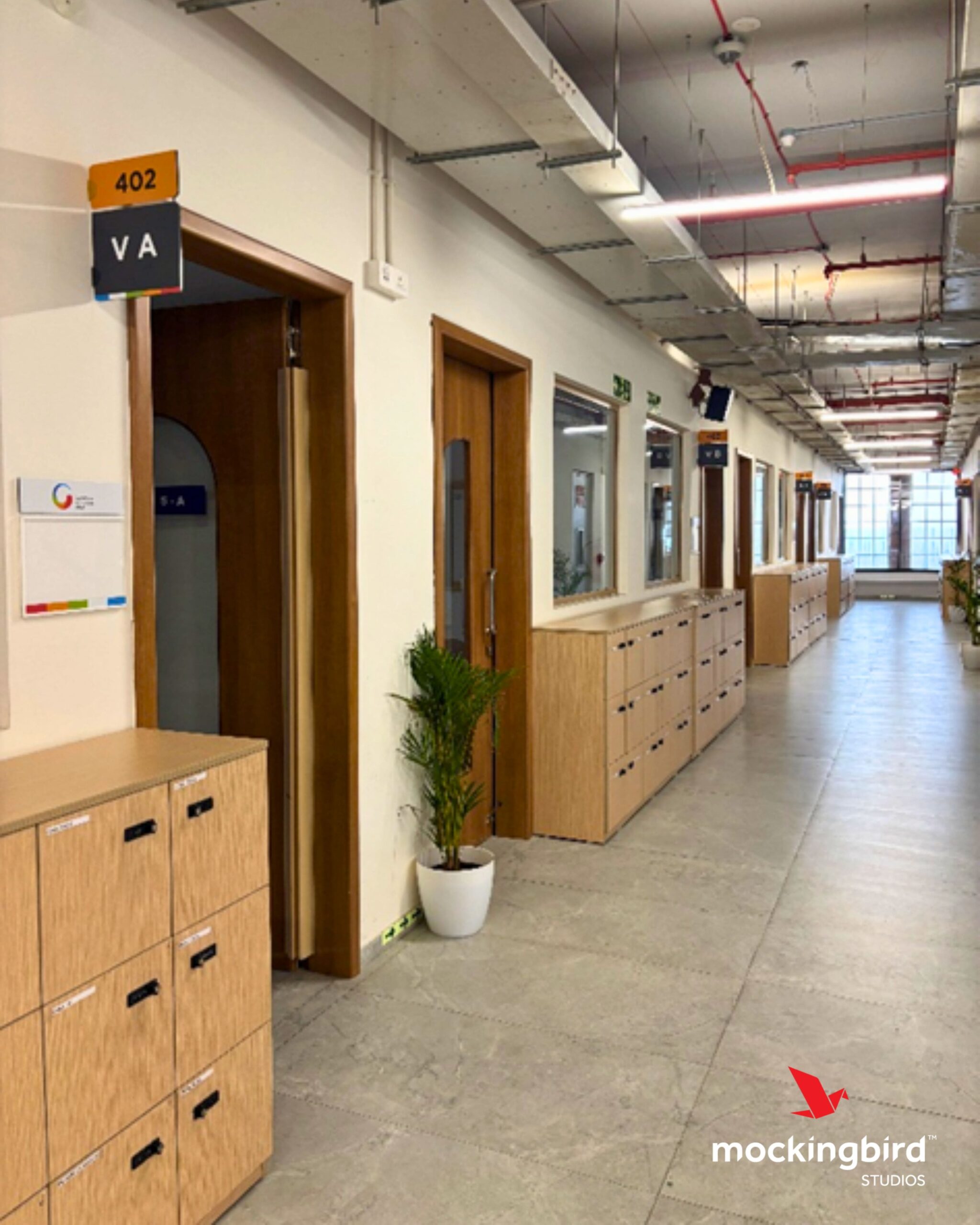
Classroom doors may seem like small details within a school, but they play an important functional and visual role.
Clear classroom door signage helps students, teachers and visitors identify spaces quickly. But signage doesn’t have to be purely functional.
With thoughtful design, classroom doors can become part of the school’s overall visual language.
Consistent typography, colours, icons, illustrations or subject-specific elements can make classroom identification easier while creating a more cohesive campus environment.
A science room could have visual cues connected to science. A library could have its own identity. Activity rooms, laboratories, art rooms and other specialised spaces can each have distinctive signage while still following the school’s overall branding system.
This creates consistency without making every door look exactly the same.
It also helps turn ordinary classroom entrances into small moments of visual communication.
The Library: More Than a Place for Books
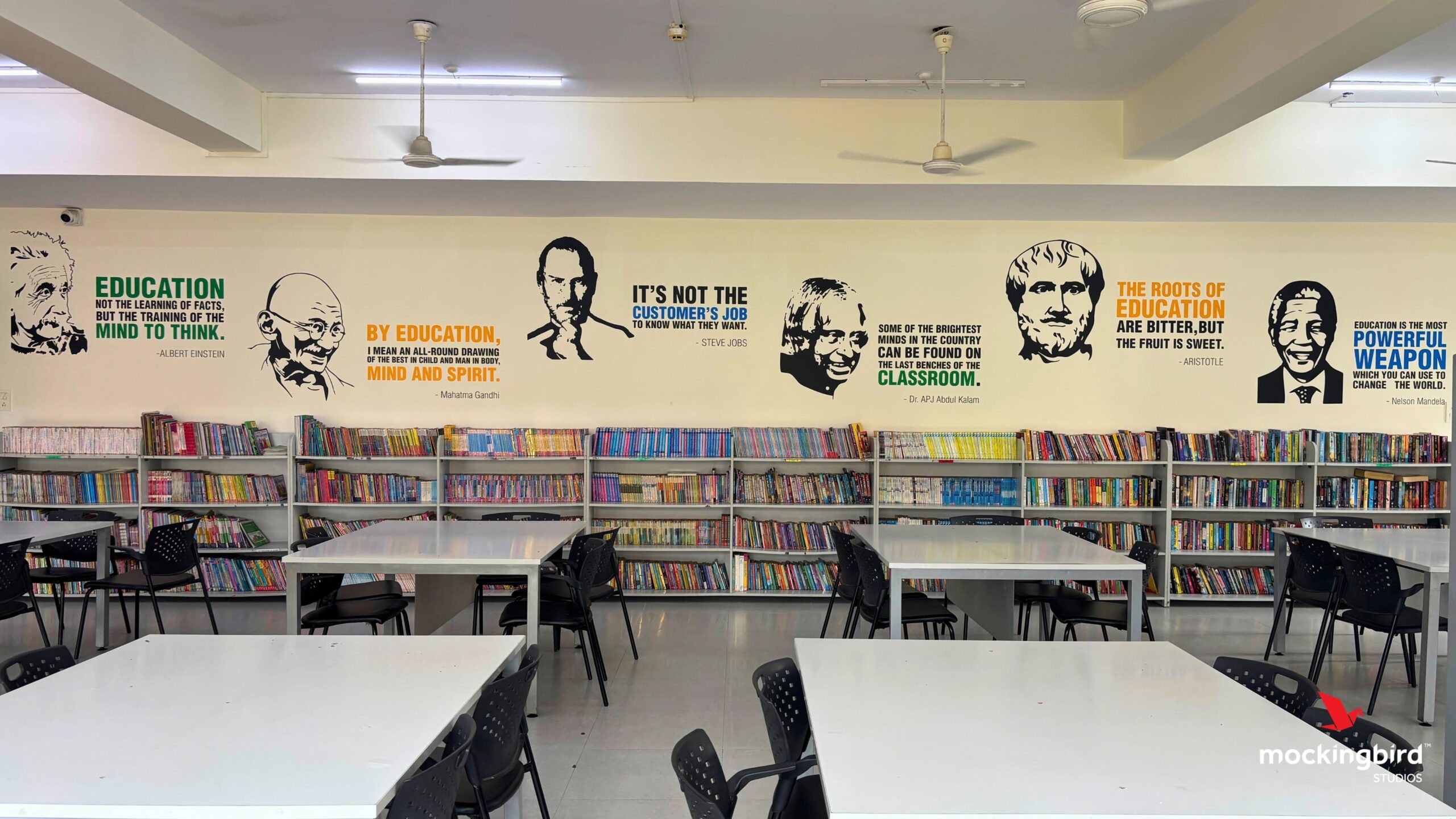
A school library is a space built around curiosity, learning and discovery.
Its environment should reflect that.
Wall graphics can help create a stronger identity for the library through literary themes, illustrations, quotes, reading-related visuals or educational storytelling. Instead of treating the walls as empty surfaces, schools can use them to create an environment that encourages students to explore and engage with the space.
A thoughtfully designed library can feel different from a standard classroom while remaining connected to the school’s identity.
The visual environment can also help establish different zones within the library. Reading areas, resource sections or activity spaces can be visually distinguished through graphics and signage.
In this way, branding becomes part of the experience rather than simply something placed on a wall.
Classroom Passageways: Turning Movement Into an Experience
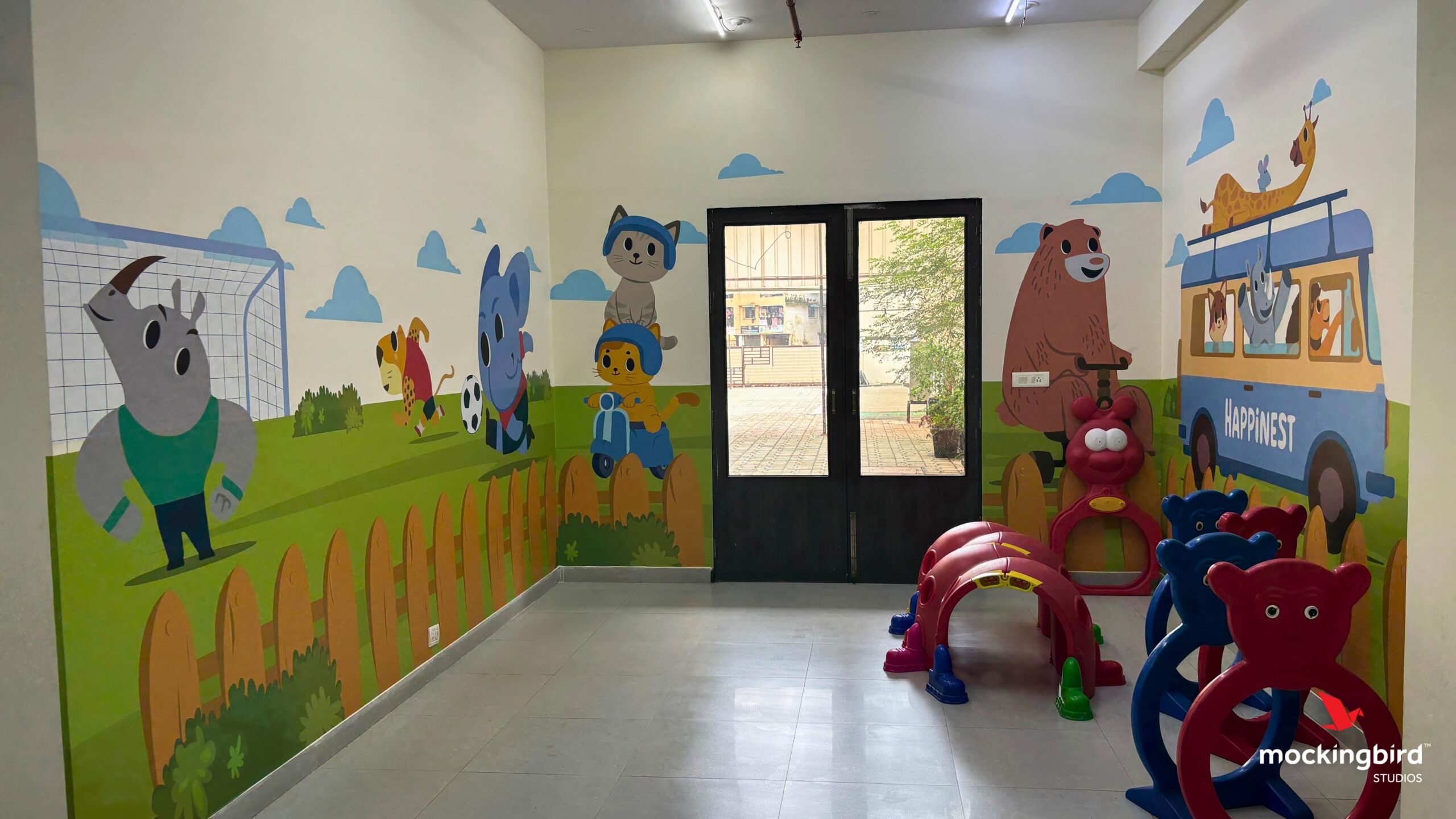
School corridors and passageways are some of the most overlooked spaces when it comes to branding.
Students may spend only a few minutes walking through them at a time, but these spaces connect classrooms, libraries, activity areas and other parts of the campus. Across a school day, thousands of journeys can happen through the same corridors.
That makes them valuable spaces for visual storytelling.
A long blank passageway can become a timeline of the school’s history, a learning journey, a collection of student-focused illustrations or a visual exploration of different subjects.
Educational graphics can make corridors more engaging without turning them into traditional classroom spaces.
For example, a passageway can introduce historical events, scientific concepts, cultural stories, vocabulary, creative illustrations or school achievements.
The idea is simple: even the journey between classrooms can become part of the learning environment.
School Branding Should Feel Consistent, Not Repetitive
Branding different areas of a school does not mean putting the school logo everywhere.
Effective school branding is about creating a visual connection between different spaces.
The reception may communicate the school’s identity. Classroom doors may provide clear identification. The library may encourage curiosity and reading. Passageways may support storytelling and learning.
Each space serves a different purpose, but they can still share common elements such as typography, colour palettes, illustration styles and visual language.
This creates a campus that feels considered and connected.
Why Does School Branding Matter?
A school is more than classrooms and infrastructure. It is an environment where students spend a significant part of their day learning, interacting and developing.
The physical environment can therefore play an important role in how the school is experienced.
Good school branding can help create a stronger sense of identity across the campus. It can make spaces easier to understand, create visual consistency and turn otherwise overlooked areas into opportunities for communication and storytelling.
Most importantly, it allows the school’s environment to reflect what makes that institution different.
At Mockingbird Studios, we work with educational institutions to create custom wall graphics, signage and visual environments designed around the purpose of each space – from reception areas and classroom doors to libraries and passageways.
Because in a school, every wall, doorway and corridor can be part of the story.